Pendants to Pipelines: A Computational Toolkit for Khipu Research
I found myself returning to khipus with a different kind of curiosity: not archaeological or interpretive, but operational. Could the computational tools I work with every day be useful to the scholars who study these objects?
Untangle, But Never Untie
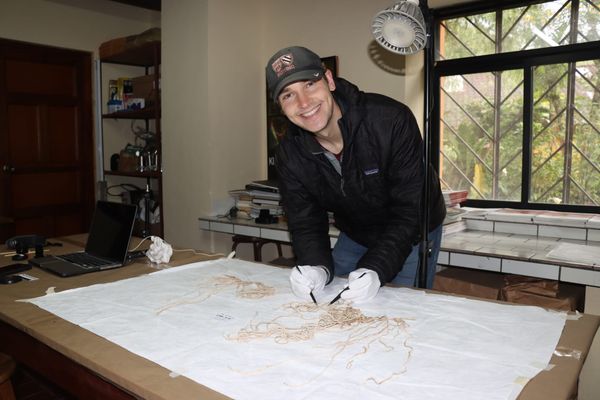
I was stunned. When I arrived at Museo Leymebamba, my goal had been to inventory and record every khipu housed there for my dissertation, but I had not expected to encounter one still completely tangled.
Visiting a Khipu in Sydney
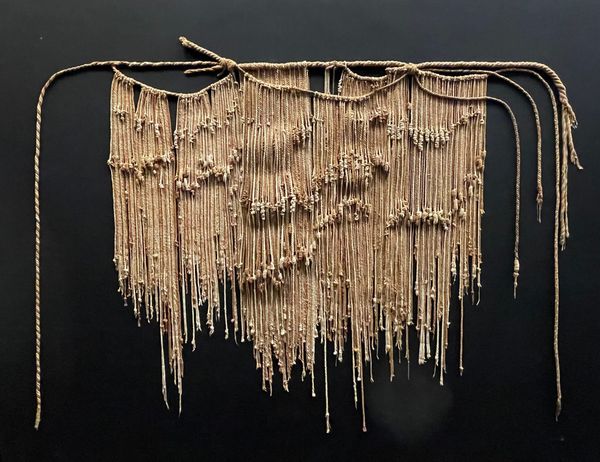
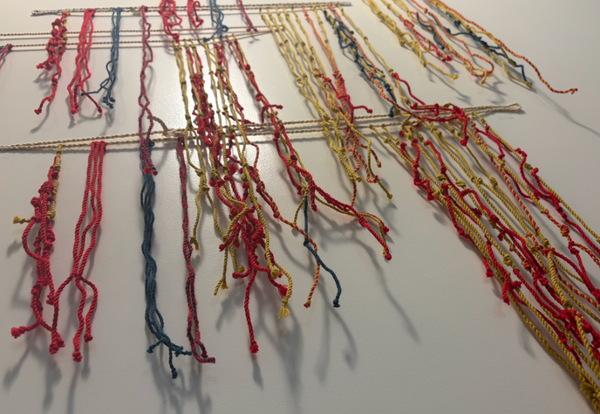
Being able to see a khipu in person is incredibly important for researchers and enthusiasts. And as I am located in Australia, this means such opportunities either require significant travel to the khipu, or a rare experience such as this, where the khipu has come closer to me.
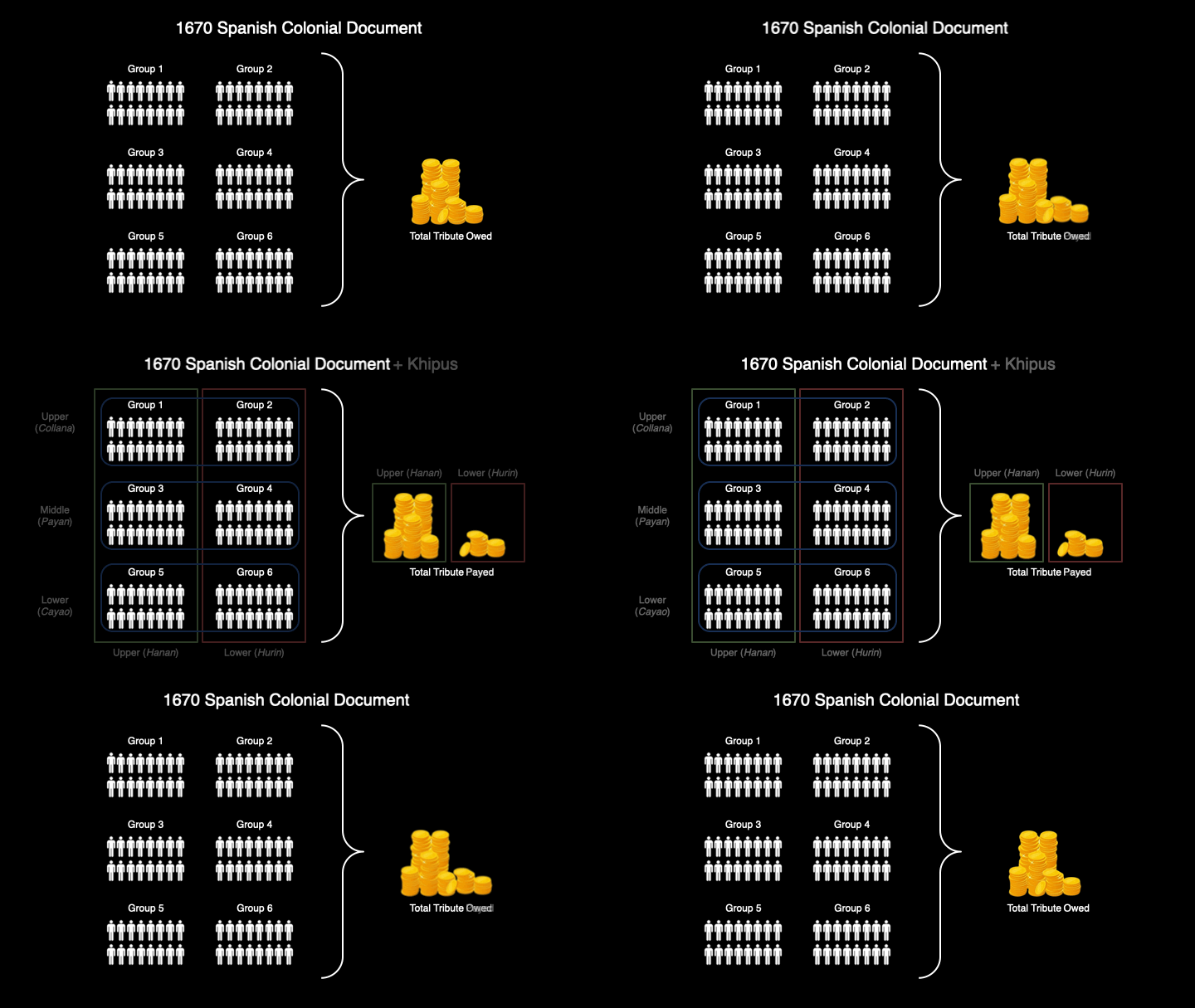
The “Waterfall” Khipu Set and Indigenous Political Organization in the 16th Century
How can we relate what historical documentation tells us to the information we can extract from the archaeological khipus preserved in museums and private collections?
Reimagining Khipus as Musical Notation: Mathematics and Storytelling
Growing up in Cusco, Peru—the Inca capital—I learned about khipus from a young age. Like many Peruvian students, I was told that the Incas and their predecessors did not learn to write or read. As a kid, surrounded by Cusco’s extraordinary Inca architecture, this never made sense to me.