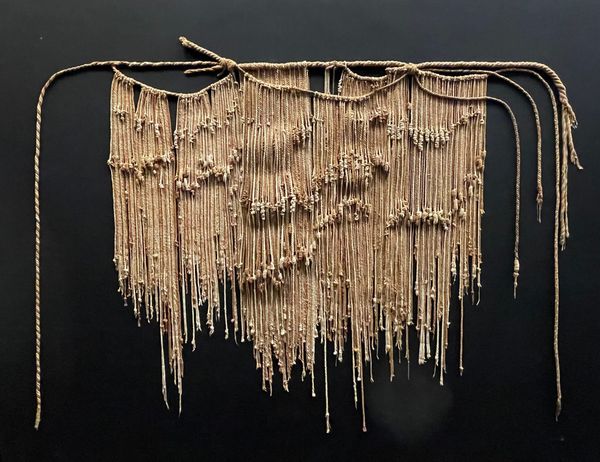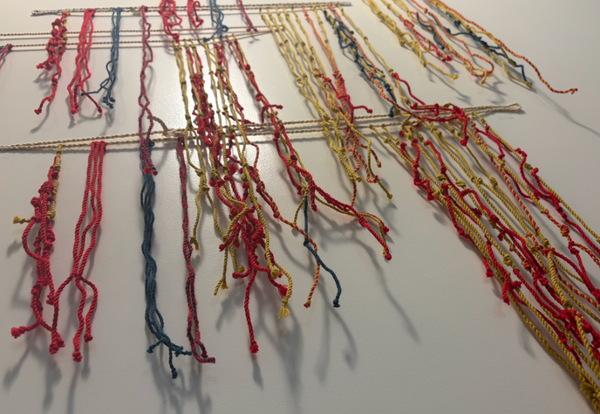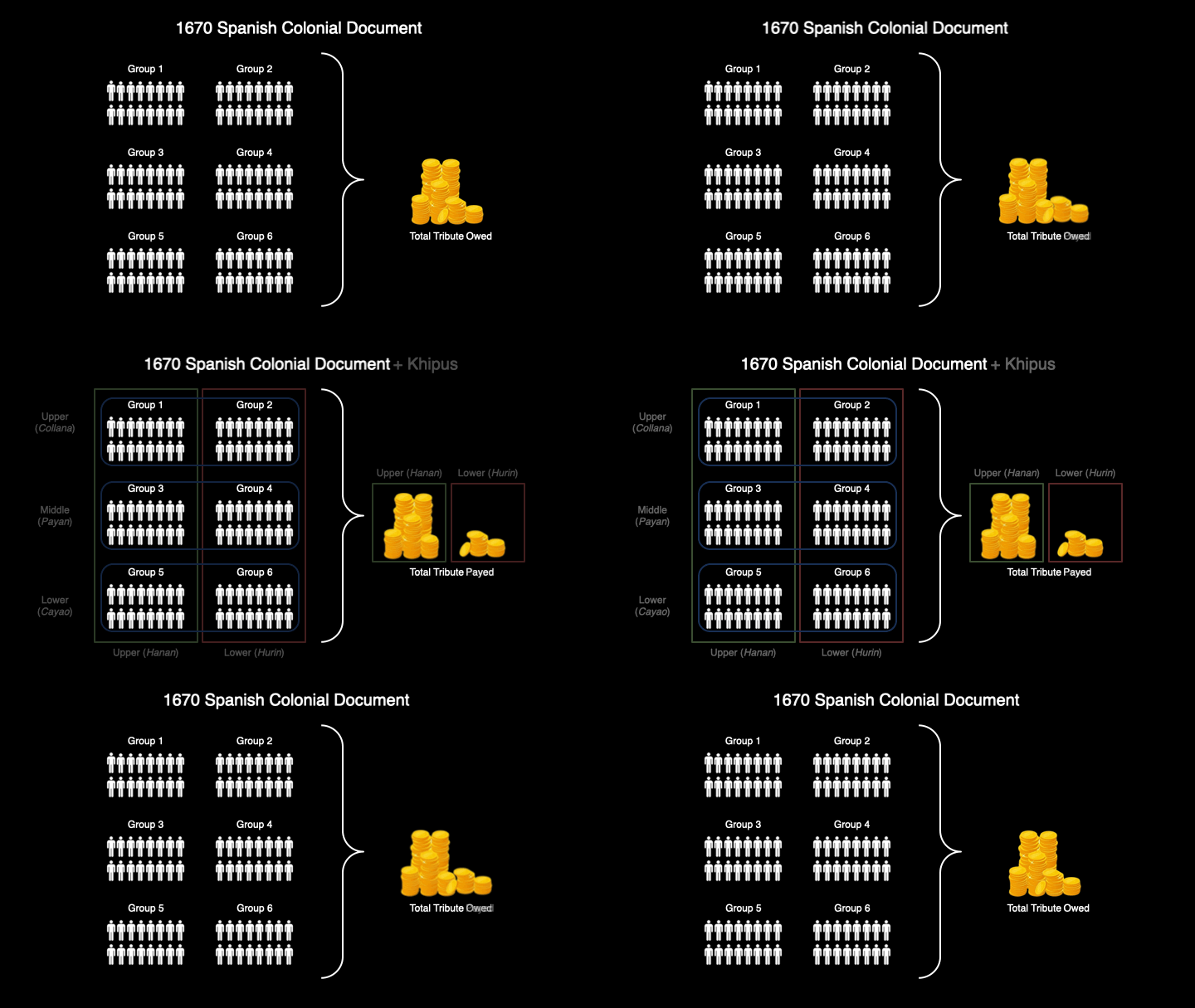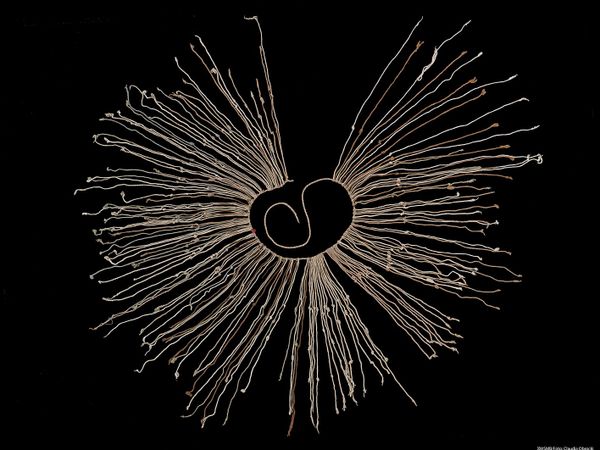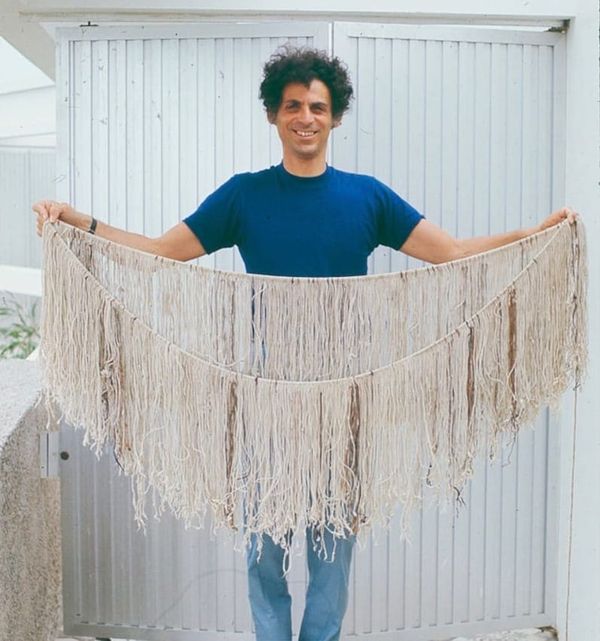
How can we relate what historical documentation tells us to the information we can extract from the archaeological khipus preserved in museums and private collections?
Growing up in Cusco, Peru—the Inca capital—I learned about khipus from a young age. Like many Peruvian students, I was told that the Incas and their predecessors did not learn to write or read. As a kid, surrounded by Cusco’s extraordinary Inca architecture, this never made sense to me.
You may have noticed in Ashok’s post – Can We Use AI for Khipu Decipherment? – that “recent surveys put the total number of surviving khipus today at around 1,300 to 1,600”
One of the most frequent questions I get from both academics and the public is whether anything comparable to the Rosetta Stone exists for khipus. To the excitement, and disappointment, of nearly every audience I speak to, the answer is both yes and no.
As in many academic fields, unpublished PhD dissertations on khipus can be difficult to locate and are largely underrecognized. Anthropologist Carol Mackey’s “Knot Records in Ancient and Modern Peru” (1970) is perhaps